Where a private yacht ends and a commercial vessel begins
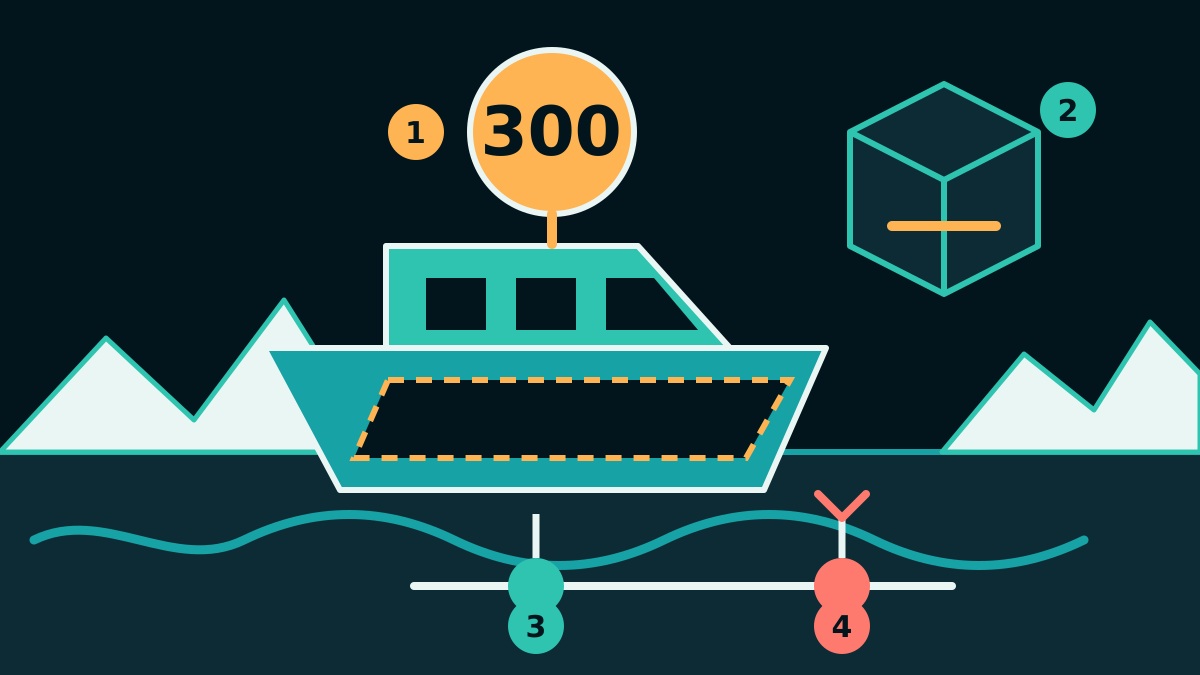
The British Sport or Pleasure Vessel Code has been in force since 12 December 2025. We break down the boundary: under 24 metres, no more than 12 passengers, no cargo — and what changes the moment money changes hands for a trip.
The line between "taking friends out" and "working" doesn't run where an owner thinks it does. It runs where the regulator draws it, and the consequences are quite material: survey, certificate, requirements for the vessel and for the crew.
The UK Maritime Administration has introduced a new code — the Sport or Pleasure Vessel Code — which has been in force since 12 December 2025 and applies to new small vessels in commercial use.
Three conditions that define the scope
The Code covers vessels where all three features come together:
- length under 24 metres;
- commercial use for sport or pleasure;
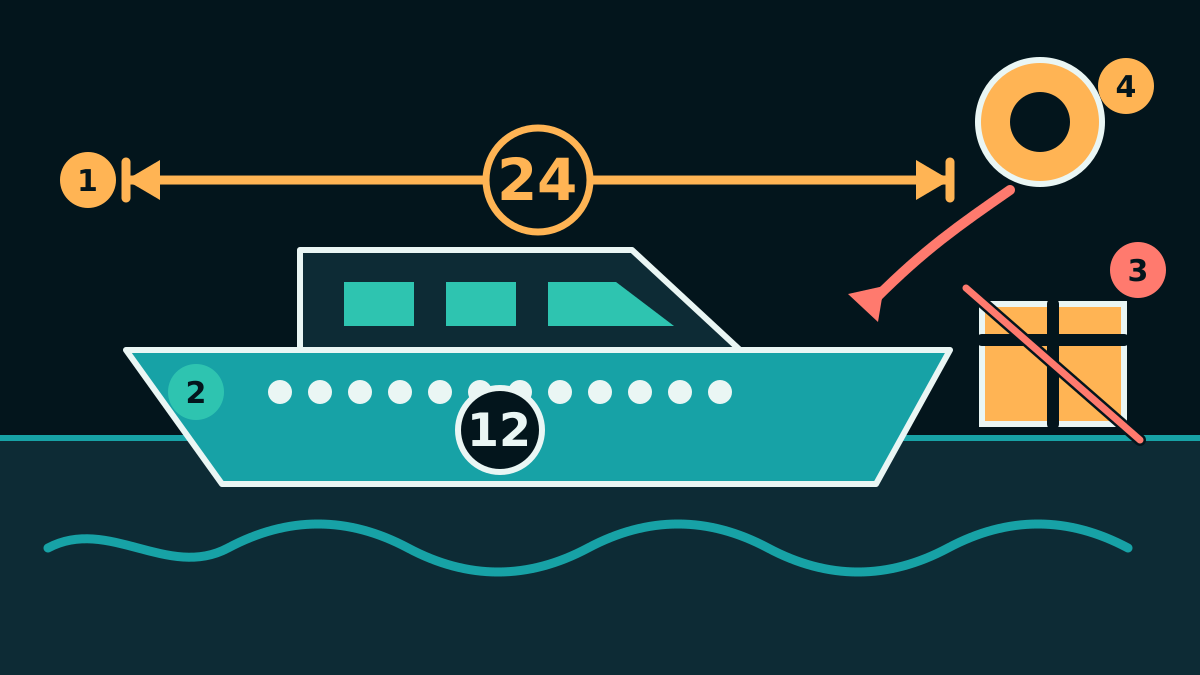
- no more than 12 passengers and no cargo.
Twenty-four metres is not an arbitrary figure: it is a long-standing threshold above which a vessel falls under convention requirements and a different level of regulation. Twelve passengers is the second classic threshold: from the thirteenth passenger onward, a vessel becomes a passenger vessel, with everything that follows from that.
What counts as commercial use
This is where most of the misconceptions live. In short: commercial means the vessel generates income, not that it is large or new.
The definition covers, in particular:
- charter — crewed and bareboat;
- paid training: schools, courses, exam preparation;
- paid deliveries, where the owner hires a crew and that crew is paid for the work;
- support vessels for regattas, filming, diving;
- corporate outings, paid for by a company.
Not covered: the owner's own leisure use, family and friends with no payment, and splitting fuel costs among participants — provided this is genuinely a cost split, not revenue.
A practical test to check yourself against: is there a charge for the trip, and do you have an obligation to whoever paid. If yes — you're probably in commercial territory.
What changes once a vessel becomes commercial
Three things, each with its own timelines and costs.
Survey. The vessel is inspected by an authorised organisation, not the owner. They check construction, stability, life-saving and fire-fighting equipment, bilge pumping, electrics.
Certificate. Without it, a commercial trip is unlawful, and it's the first thing an insurer, a marina, and a client will ask about.
Crew requirements. Qualifications, rest hours, headcount — all of this is left to the owner's discretion in private use, and becomes the norm in commercial use.
Add insurance to that: a private vessel policy does not cover commercial activity, and that tends to come to light at the worst possible moment.
New and existing vessels are not the same thing
The Code applies to new small vessels from the date it came into force. For vessels already operating under previous rules, the transition follows its own timetable — these dates need to be checked against your specific case, not inferred from the general date.
The practical takeaway here: if you're buying a vessel for charter, the question "which code does it fall under" is worth asking before the deal, not after. The difference between a new and an existing vessel can cost you a season here.
If the flag isn't British
Strictly, the Code is mandatory for vessels flying the British flag and in British waters. But it's worth reading for everyone else too, for two reasons.
First: the logic of the boundary is the same everywhere. Under 24 metres, up to 12 passengers, no cargo — these are internationally common thresholds, and in most jurisdictions commercial use of a small vessel is regulated in a similar way.
Second: charter clients and insurers look for a recognised code, even where the law doesn't require it. Having a certificate is an argument at the negotiating table.
In short
The Sport or Pleasure Vessel Code has been in force since 12 December 2025 and covers commercially used vessels under 24 metres, with no cargo and no more than 12 passengers. The line runs through payment: as soon as money changes hands for a trip, survey, certificate, and crew requirements come into play. Check your own case before the first paid voyage — after it, it's other people asking the questions, and in a different tone.