Polar Code reaches yachts: the 300-tonne threshold and what it changes
From January 1, 2026, safe navigation and voyage planning requirements extend to pleasure yachts of 300 GT and above. Who is affected, what needs doing before departure, and why gross tonnage is not weight.
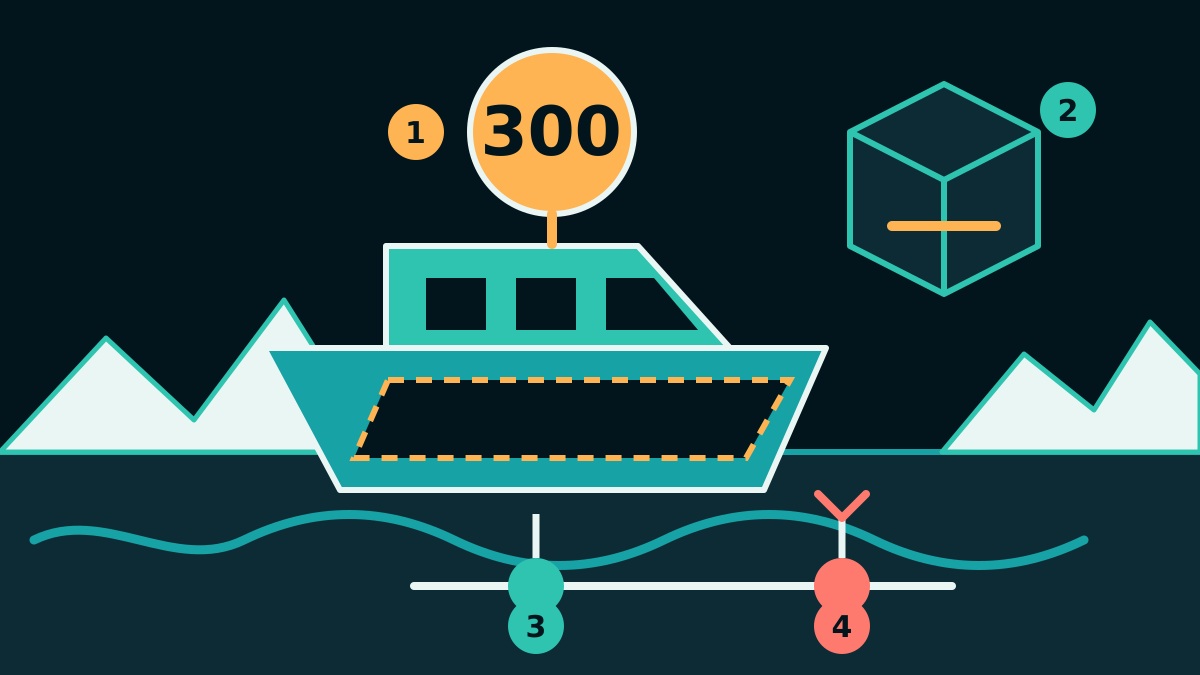
The Polar Code was written for merchant vessels, and yacht owners were long unaffected by it. From January 1, 2026, that changed: safe navigation and voyage planning requirements now extend to pleasure yachts of gross tonnage 300 GT and above.
This does not mean the Arctic is now off-limits. It means preparing a passage has become a formal procedure with documents, not just a matter of the captain's judgment.
Who is affected
There is one threshold: 300 GT and above.
This is where most mistakes happen. GT is not tonnes, and it is not displacement. Gross tonnage is a dimensionless figure calculated from the volume of a vessel's enclosed spaces. A yacht that "weighs" far less than three hundred tonnes can still have 300 GT or more, simply because of the volume of her superstructure and interior spaces.
Where to check: the tonnage certificate, not a guess and not the builder's brochure. One line decides whether the requirements apply to you.
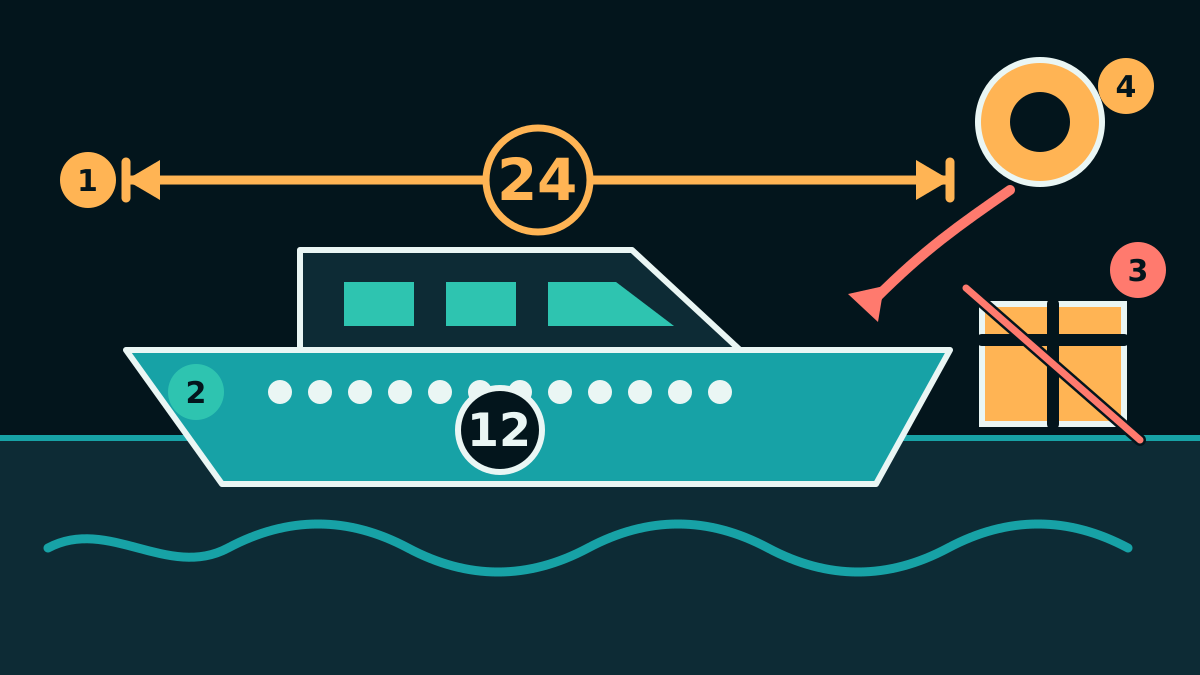
It is also worth remembering that the same amendments cover fishing vessels of 24 metres in length and above. For a yacht owner, this matters indirectly: it shows the regulator's approach is to extend polar requirements beyond the merchant fleet altogether.
What exactly is required
The Code covers two areas, and both concern preparation, not equipment fit-out.
Safe navigation. This concerns what the vessel has available for operating in polar waters and how it is used: sources of ice information, means of obtaining forecasts, and equipment limitations at low temperatures.
Voyage planning. A passage in polar waters must be planned in writing, accounting for factors not present elsewhere: ice conditions, marine mammal habitats, distance from assistance, and the availability of places of refuge.
The UK's Maritime and Coastguard Agency has issued separate guidance on applying these requirements — MGN 637, as amended. For UK-flagged vessels, this is the first document to read; for others, it is a useful example of how a regulator reads the Code.
Deadlines: two different dates
It is easy to get this wrong, because there are two dates.
- January 1, 2026 — the requirements entered into force.
- January 1, 2027 — the deadline for some previously built vessels.
In other words, if a yacht was built earlier and falls into the transitional category, she has until early 2027. This boundary needs checking against your own flag: how the deadlines apply to a specific vessel is a matter for the flag administration, not a general rule.
What an owner should do if the Arctic is on the plan
An order of steps that saves months.
- Check the GT on the tonnage certificate. If it is below 300, you need read no further — but confirm the document is current: tonnage changes after a refit.
- Ask the flag administration, not only the management company: deadlines for previously built vessels are set there.
- Build in time. Documents, procedures, and equipment checks are not a week's work. Starting preparation in spring of the same year is too late to plan a polar season.
- Check the insurance. A polar passage almost always requires separate approval, and the insurer will ask for exactly the same documents.
- Tie the passage plan to the actual area. A generic template will not pass: the point of the requirement is for the plan to account for specific ice, refuges, and distances.
What the Code does not cover
It helps to understand the limits. These are requirements for navigation and planning, not for the hull, and not an ice class. Hull ice strengthening is a separate matter, handled by the classification society and independent of these amendments.
One more thing: complying with the Code does not make a passage safe. It makes it prepared. The difference matters, and it is worth keeping in mind for anyone planning a first polar season.
In brief
From January 1, 2026, pleasure yachts of 300 GT and above fall under the Polar Code's requirements for safe navigation and voyage planning; for some previously built vessels, the deadline is January 1, 2027. The first step is to open the tonnage certificate and check the gross tonnage: it is calculated by volume, not weight, and often turns out higher than an owner expects.